APJJ Fitness guide
A simple warm-up routine before training
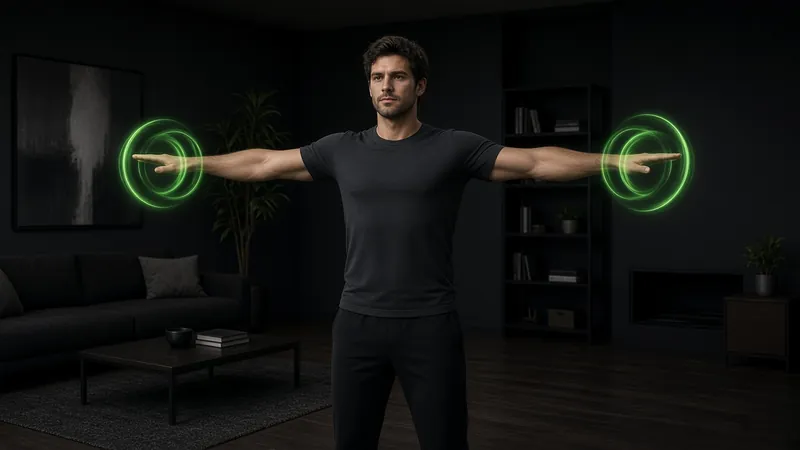
A good warm-up takes five to ten minutes and makes the rest of your session feel better. It raises your body temperature, gets your joints moving and gives you a chance to rehearse the movements you are about to train.
Below is a simple routine you can do anywhere, with no equipment, before strength training, a run, a football session or a game of five-a-side.
What a warm-up is for
- Raise: get your heart rate and breathing up a little, so blood flow to your muscles increases.
- Mobilise: move your main joints, such as hips, shoulders, ankles and spine, through a comfortable range.
- Activate and prepare: do easier versions of the movements in your workout so the first proper set does not come as a shock.
This pattern is similar to the RAMP approach (raise, activate, mobilise, potentiate) that many coaches use. You do not need to memorise the name. Just work from easy and general to more specific.
The 8-minute routine
Part 1: Raise (2-3 minutes)
Choose one, or mix them up:
- Marching or jogging on the spot
- Step jacks (step side to side while raising your arms) or jumping jacks
- Easy skipping, with or without a rope
- A few minutes on a bike or rower if you are at the gym
You should feel warmer and breathe a bit faster, but still be able to talk.
Part 2: Mobilise (3 minutes)
Do each move for about 30 seconds, or 8 to 10 slow reps:
- Arm circles: small circles growing bigger, forwards then backwards.
- Cat-cow: on hands and knees, slowly round your back up, then let it dip, moving with your breath.
- Hip circles: hands on hips, draw big slow circles in each direction.
- Leg swings: hold a wall, swing one leg forwards and back, then side to side. Swap legs.
- Ankle rocks: in a half-kneeling position, gently push your front knee forward over your toes, keeping the heel down.
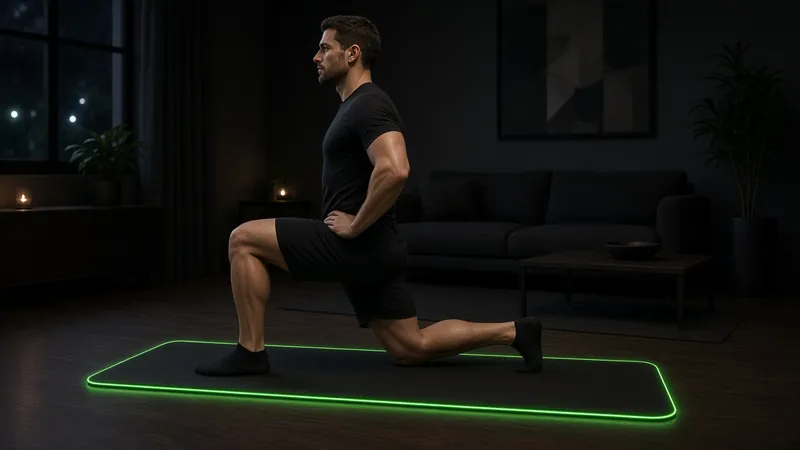
- World's greatest stretch: step into a long lunge, put the same-side hand on the floor, then rotate the other arm up to the ceiling. Three each side.
Part 3: Prepare (2-3 minutes)
- 10 bodyweight squats, slow and controlled
- 5 reverse lunges each leg
- 10 glute bridges
- 5 to 10 incline or wall push-ups
- A 20-second plank
Warm-up sets for strength training
If you are lifting weights, follow the general warm-up with lighter sets of your first exercise. For example, if your working sets on the goblet squat use a 16 kg dumbbell:
| Set | Weight | Reps |
|---|---|---|
| Warm-up 1 | Bodyweight | 10 |
| Warm-up 2 | 8 kg | 8 |
| Warm-up 3 | 12 kg | 5 |
| Working sets | 16 kg | 3 x 10 |
Warm-up sets should feel easy. Their job is practice, not tiredness.
Before running or sport
For running, football or other sports, add some movement drills after the routine above: high knees, heel flicks, side shuffles, and a few gradual run-throughs where you build up to about 70 to 80 percent of your top speed. If your sport involves changes of direction, practise a few gentle cuts and turns too.
What about static stretching?
Holding long static stretches (30 seconds or more) right before you lift or sprint is not necessary for most people, and very long holds may slightly reduce power for a short time. Short, gentle stretches are fine if they help you feel ready. Longer stretching sessions fit well after training or on a rest day. See our rest and recovery guide.
Quick tips
- On cold days, or early in the morning, give yourself a couple of extra minutes.
- Use the warm-up to check in with your body. If something feels unusually sore or painful, adjust or skip that part of your session.
- Keep it short. A warm-up should leave you feeling ready, not tired.
This routine is the starting point for every session in our beginner full-body plan.
Train with the free app
The APJJ Fitness app has a weekly plan builder, a 108-move exercise guide with easier and harder options, timers, a workout logger, gym games and a friendly social community. It is free to use in your browser.
Open the free appMore guides